
Insights
Practical guidance on tooling and manufacturing, with manufacturer sources.
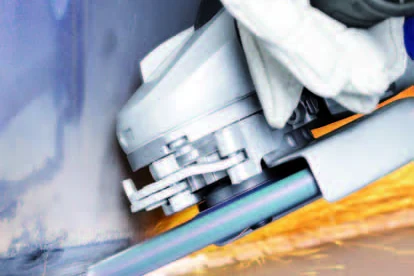
Preparing steel edges for painting: deburring alone is not enough
Check steel edge geometry, cleanliness and coating requirements. Deburring, chamfering and rounding differ and need clear acceptance criteria.
Read more
Consistent stainless steel finishes: grit size, grain pattern and roughness
Define stainless steel finish requirements using an approved sample, grain direction and measurable roughness, then verify the process on a trial piece.
Read more
Grinding aluminium: why does the tool become loaded?
Why aluminium builds up on abrasive tools, and what to check in the alloy, tool construction, pressure and operating settings before changing the process.
Read more
Removing rust and mill scale: cleaning or stock removal?
Select brushes or abrasives for rust and mill-scale removal while preserving the steel surface and meeting the requirements of the next operation.
Read more
Deburring aluminium profiles: how to preserve the edge geometry
Distinguish burr removal from chamfering and rounding. Select suitable tooling and check profile contours, clamping and adjacent finished surfaces.
Read more
Preparing aluminium for welding: edge geometry and surface cleaning
Treat aluminium joint geometry and surface cleaning as separate operations. Check material, tooling, process aids and handover before welding.
Read more
Heat discolouration when grinding stainless steel: what should you check?
Check heat discolouration when grinding stainless steel: tool condition, contact pressure, movement and operating speed considered together.
Read more
Rust spots on stainless steel: where does contamination come from?
Investigate rust spots on stainless steel: tooling, clamping, storage and cleaning checks to help identify the source of recontamination.
Read more
What does an accepted part cost?
The disc price is only the starting point. Compare processing time, tool changes and rework to find the cost of an accepted part.
Read more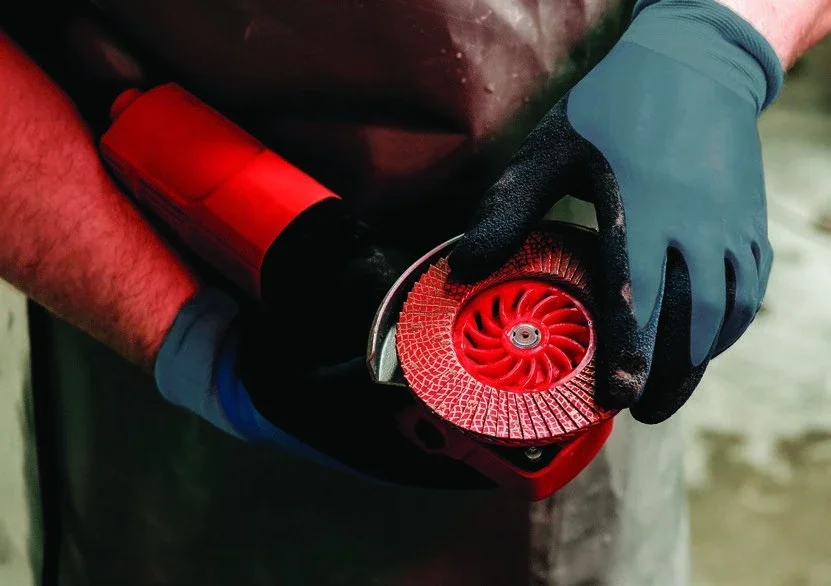
Choosing an abrasive for the job
Start with the material, machine, access and specified finish. They narrow the choice before grit size becomes the deciding question.
Read more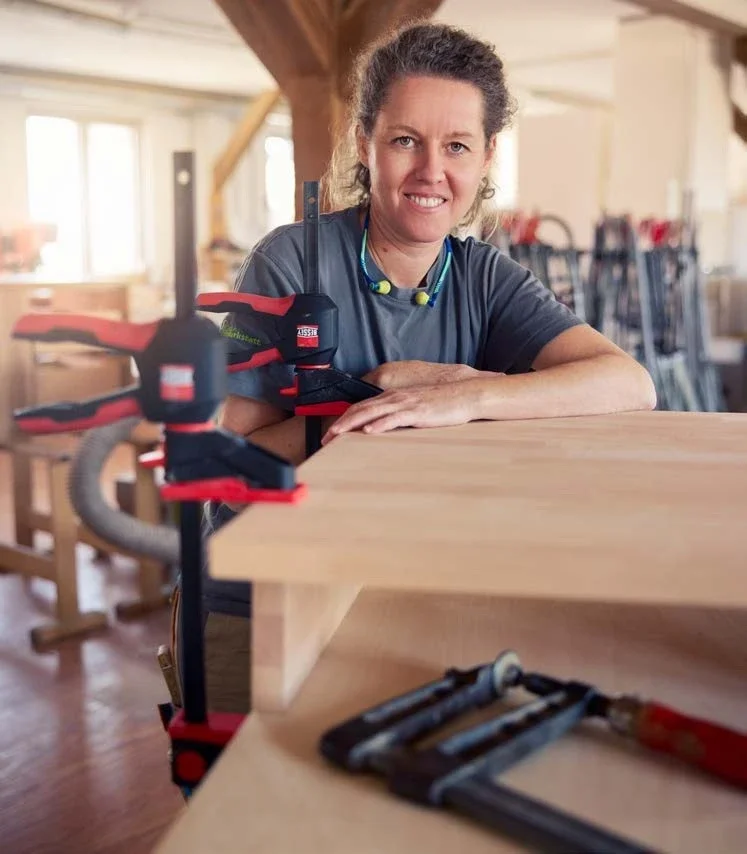
Workholding for welding and repeat assembly
A suitable clamp holds the part and leaves room to work. Check reach, clearance and handling alongside opening capacity.
Read more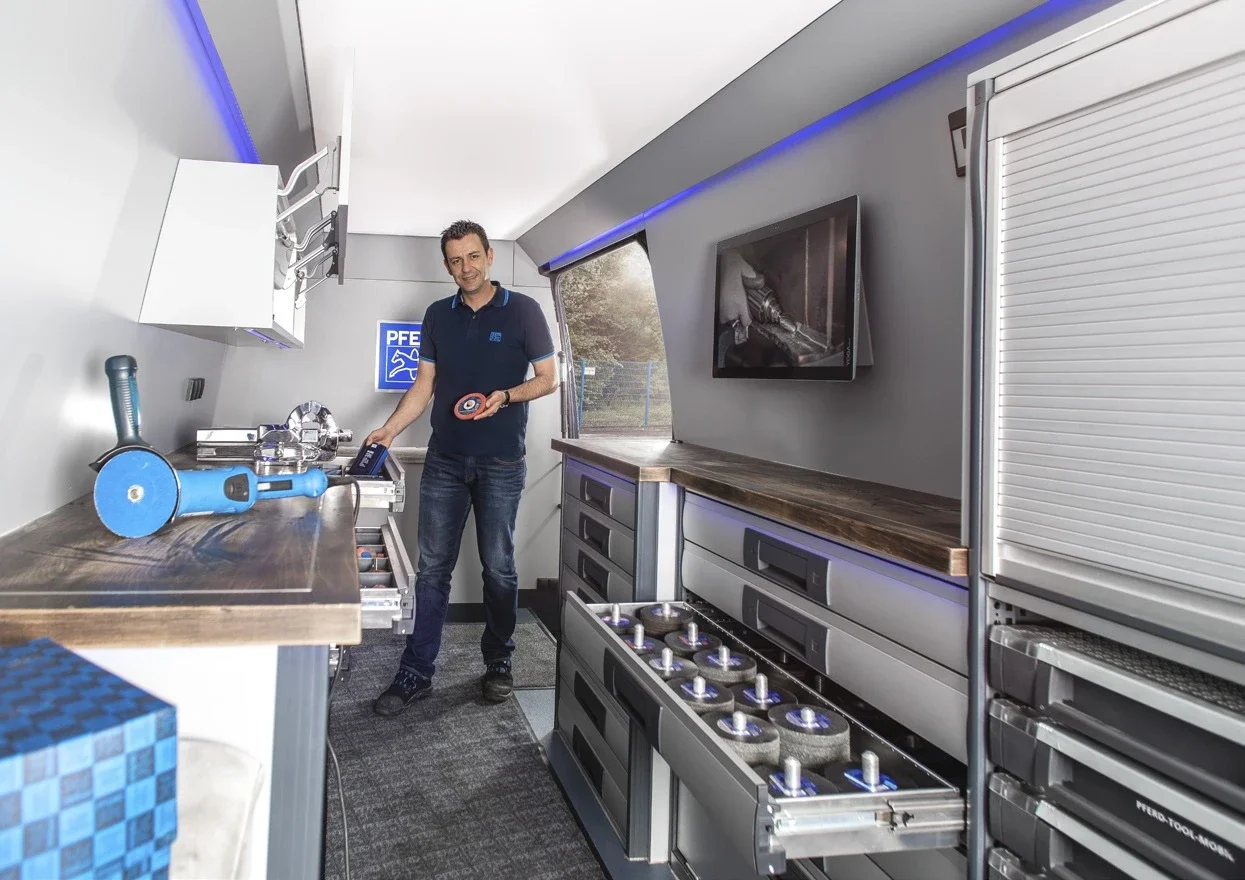
Getting more from an on-site technical visit
A representative part, the machine model and a clear description of the recurring issue give the visit a useful starting point.
Read more
Planning robotic grinding and deburring
Volume is one part of the brief. Incoming-part variation, fixturing, tool wear and acceptance requirements matter just as much.
Read more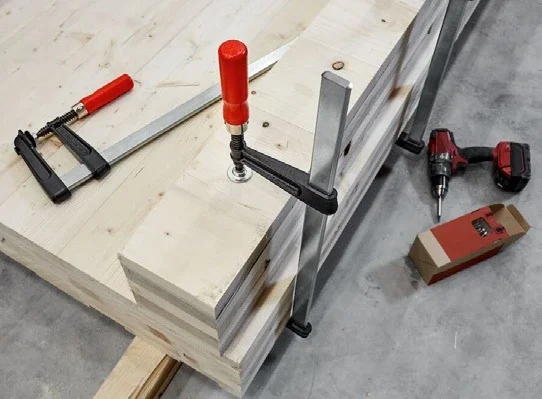
Better glue-ups start before the glue goes on
Choose the right clamps, rehearse the assembly and agree the checks that matter before the adhesive starts to set.
Read more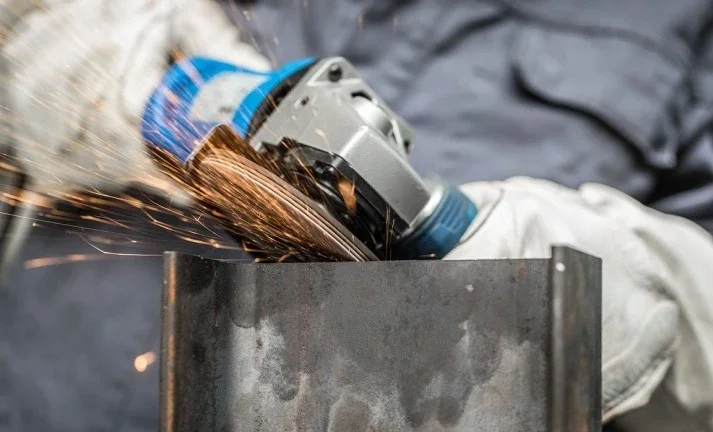
From weld removal to a consistent finish
A fast first pass pays off when the remaining finishing steps work with it. Compare the complete operation, from stock removal to inspection.
Read more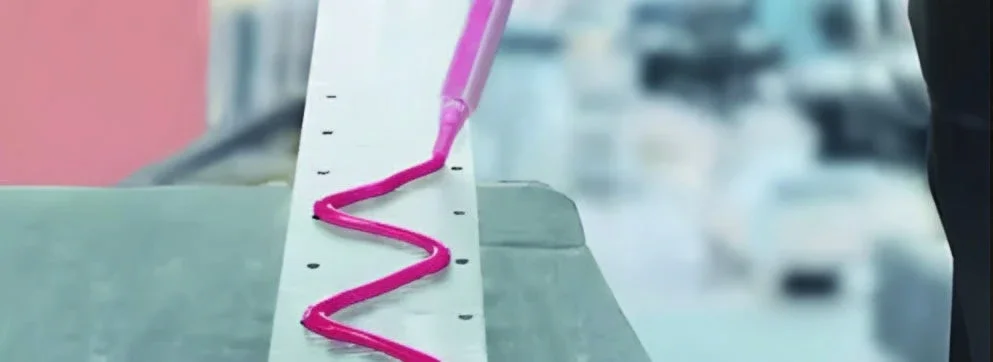
Joint sealing: the decisions to make before application
Substrate, joint geometry, backing and site conditions belong in the same plan as the sealant itself.
Read more
Grinding plastics: what causes surface smearing?
Identify the plastic, then review heat input, tooling and settings. Use a representative trial and suitable dust extraction to assess the result.
Read more
Diamond abrasive tools for glass- and carbon-fibre-reinforced plastics
Tool selection for glass- and carbon-fibre-reinforced plastics: matrix, reinforcement, tool shape, operating limits and trials on representative parts.
Read moreHow can we help?
Tell us what you need help with. Contact us about tool selection, machinery, an on-site consultation or a robotics project.